The European economic landscape in early 2026 presents a fascinating, albeit precarious, study in psychological resilience. For the past several years, the Eurozone has been caught in a relentless pincer movement: skyrocketing energy costs on one side and aggressive interest rate hikes on the other. As we look at the current state of consumer and producer prices across the continent, a singular theme emerges. The data suggests a stabilization, but the sentiment suggests something much more ethereal. In many ways, European price stability is currently built on a foundation of hope.
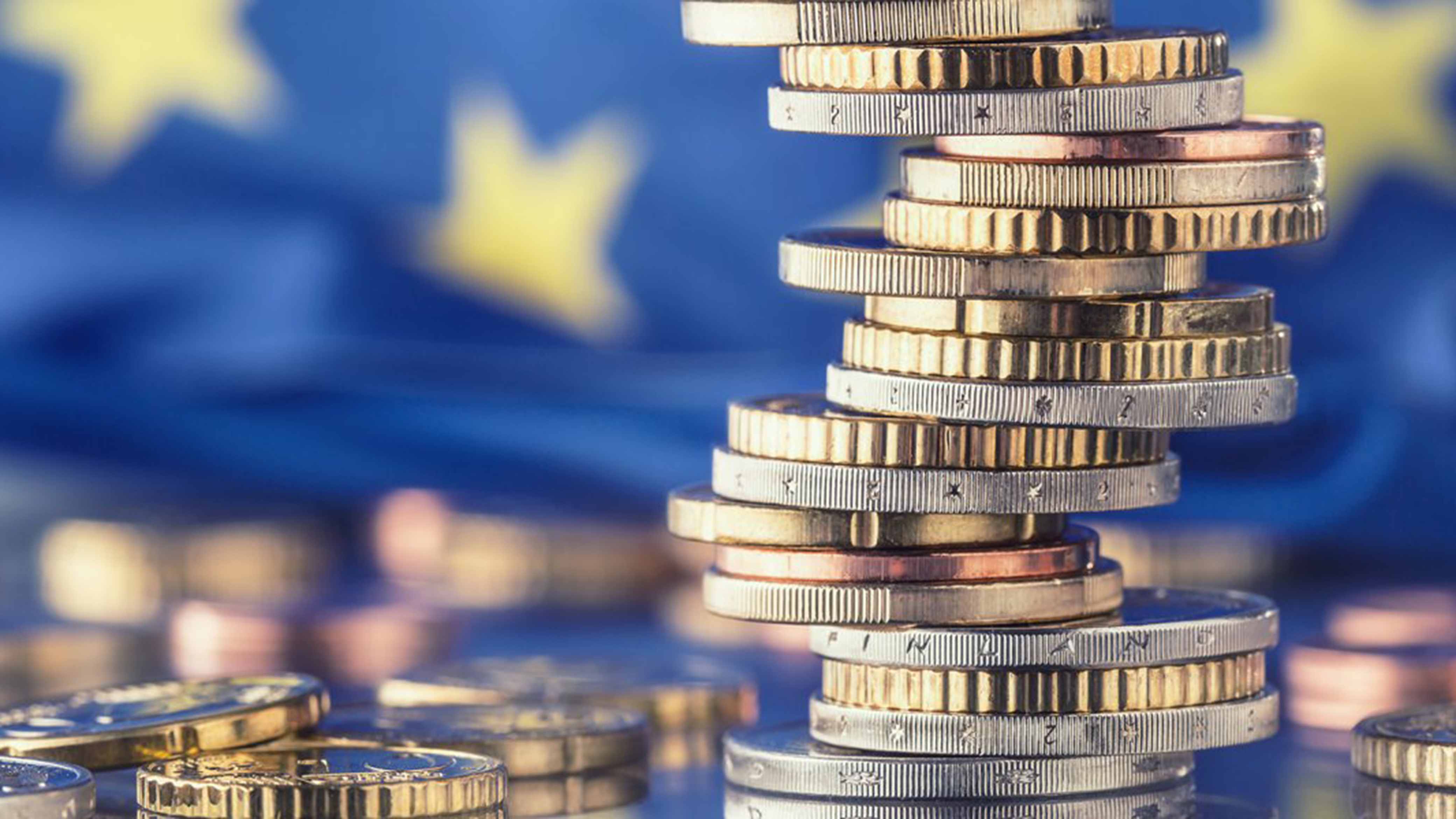
The Inflation Hangover and the Search for a Floor
To understand why “hope” is the primary driver of current market sentiment, one must look at the exhaustion of traditional economic levers. The European Central Bank (ECB) spent the previous years in an uphill battle against inflation that reached double digits in several member states. While the headline Harmonized Index of Consumer Prices (HICP) has finally begun to descend toward the elusive 2% target, the journey has left the European consumer weary.
The “hope” here is twofold: first, that the downward trend in inflation is permanent rather than a temporary lull; and second, that the cooling of prices will not necessitate a deep, prolonged recession. For the average household from Berlin to Madrid, prices haven’t necessarily dropped—they have simply stopped rising at a terrifying rate. This distinction is vital for political and social stability.
Energy Markets: A Winter of Geopolitical Prayer
Nowhere is the reliance on hope more evident than in Europe’s energy pricing. The continent has made Herculean efforts to diversify its energy mix, moving away from a historical dependency on Russian gas toward Liquefied Natural Gas (LNG) and accelerated renewable projects. However, the pricing of energy remains highly sensitive to geopolitical tremors.
Current energy prices are stable, but this stability is contingent on a series of “best-case scenarios”:
- The hope that winters remain relatively mild, preventing a drain on storage reserves.
- The hope that shipping lanes in the Middle East and the Red Sea remain open and functional.
- The hope that the transition to green energy can scale fast enough to offset the decommissioning of traditional power plants.
If any of these pillars crumble, the “hope” currently buoying the market could evaporate, leading to a renewed spike in utility costs that would filter through to every sector of the economy.
The Lag Effect: Waiting for the ECB’s Pivot
Corporate Europe is currently holding its breath, waiting for the full effects of monetary policy to crystallize. There is a prevailing hope that the European Central Bank has timed its interest rate pivots perfectly. If rates are held too high for too long, the “price” of progress will be a collapse in industrial investment. If they are cut too soon, inflation could reignite.
Manufacturing hubs, particularly in Germany and Italy, are seeing producer prices stabilize, but profit margins are razor-thin. These enterprises are operating on the hope that consumer demand will return before their capital reserves run dry. This “wait-and-see” approach has created a stagnant pricing environment where businesses are hesitant to raise prices for fear of losing customers, but unable to lower them due to high operational costs.
Social Pricing and the Cost of Living Crisis
Beyond the spreadsheets of central bankers, there is the “social price” of the current economic state. Europe is experiencing a structural shift in how its citizens view the cost of living. In many urban centers, housing prices and rents have reached a point where they are decoupled from average wage growth.
The hope in this sector is that government interventions—ranging from rent controls to social housing subsidies—will be enough to prevent a total erosion of the middle class. However, these are often “band-aid” solutions to a systemic problem of supply and demand. The market is currently banking on the hope that a “soft landing” will eventually lead to a natural correction in property values without triggering a banking crisis.
Supply Chains and the Return of Globalization 2.0
European prices are also at the mercy of the “near-shoring” and “friend-shoring” movements. There is a collective hope that reorganizing supply chains to be more localized will lead to price stability by reducing exposure to global shocks. While this improves security, it often comes at a higher production cost compared to the old model of unfettered globalization.
The success of this strategy relies on the hope that technological advancement—specifically AI and advanced robotics—will provide enough productivity gains to offset the higher labor costs found within European borders. If these productivity gains do not materialize, the “hope” for stable consumer prices will be replaced by the reality of structural “deglobalization inflation.”
Conclusion: A Continent at a Crossroads
In summary, European prices are currently in a state of suspended animation. The wild fluctuations of the early 2020s have subsided, but the return to “normalcy” feels fragile. The continent is essentially betting on a series of positive outcomes that are outside of its direct control.
While hope is a powerful psychological motivator, it is a precarious economic strategy. For Europe to move from “hope” to “certainty,” it must find ways to boost its internal productivity, secure its energy independence once and for all, and foster a regulatory environment that encourages investment over stagnation. Until then, the markets will remain quiet, the consumers will remain cautious, and the data will continue to reflect a continent that is praying for the best while preparing for the unknown.
Would you like me to conduct a deeper analysis into the specific price indices of a particular European country, or perhaps create a comparative report on energy price forecasts for the remainder of 2026?